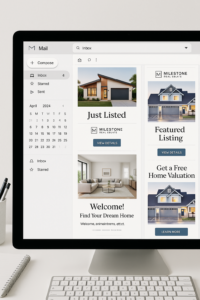
Most agents do not have a lead problem. They have a follow-up problem. Automated lead nurturing real estate systems solve that gap by keeping seller prospects engaged long after the first click, form fill, or home valuation request, so more conversations turn into listing appointments instead of ghosted leads and wasted ad spend.
Want seller leads on autopilot? ListingLeads.io combines Google Ads, home value tools, and AI follow-up to book listing appointments while you sleep. Book your free strategy call now →
Why automated lead nurturing real estate systems matter more than ever
According to the National Association of Realtors, the typical seller stays in their home for around 10 years. That means seller decisions are emotional, slow, and often delayed. Someone can ask, “What’s my home worth?” in March and not list until August.
If your only follow-up plan is one text, one call, and a hopeful shrug, you are not losing leads to “bad internet leads.” You are losing them to time. And to agents who show up consistently.
This is especially true for seller leads coming from Google Ads, home value landing pages, digital farming, expired lists, and your sphere. They need reminders, proof, timing, and trust. A real nurturing system does all four without making you feel chained to your phone.
If you need more top-of-funnel ideas, this guide on real estate lead generation ideas that win listings pairs nicely with the systems below.
What a good lead nurturing system actually does
A lot of agents hear “automation” and picture spammy drip emails from 2014. You know the type. “Just circling back” for the ninth time. Hard pass.
A smart system should do three things:
- ▸ Respond fast so fresh leads do not cool off.
- ▸ Stay relevant with messages tied to seller intent.
- ▸ Create appointments instead of just “touches.”
The best versions combine lead capture, segmentation, follow-up, retargeting, and booking. Basically, they keep your pipeline moving even when you are in a listing presentation, showing property, or trying to enjoy dinner like a normal person.
8 automated lead nurturing systems for real estate agents
1. Instant response text and email sequences for new seller leads
Speed matters. Multiple industry studies have shown that contacting an internet lead within five minutes can dramatically improve connection rates compared with waiting 30 minutes or more. In real estate, that gap is brutal because the next agent is always one ad click away.
Your first system should trigger the second someone requests a home value, downloads a seller guide, or fills out a landing page. It should send a text, an email, and a task for you or your ISA to call.
If you are building your funnel from scratch, read these 5 stages of a home seller lead funnel that converts. It lays out the handoff points that make nurturing work.
2. Home value follow-up campaigns that build curiosity
Seller leads are different from buyer leads. They are not always ready to talk today, but they are very willing to peek at their equity. That curiosity is gold.
An automated campaign tied to a home valuation request should drip out useful touchpoints over several weeks. Think updated value ranges, neighborhood sales, prep tips before listing, and offers for a custom pricing review. Not generic fluff.
If your site does not have a strong seller tool yet, start with these features every real estate home valuation website needs and this breakdown of the best home valuation lead capture tools compared.
3. AI chatbot qualification for website and landing page leads
Not every lead wants to fill out a long form. Some want a quick answer at 9:47 p.m. while watching Netflix and wondering if they should sell before rates shift again.
An AI chatbot can ask a few simple questions. Timeline. Property type. Motivation. Whether they also need to buy after selling. That extra data makes every future follow-up more personal and more effective.
For a closer look, check out real estate AI chatbots that qualify leads for you. They are not magic, but they are a lot better than a dead contact form.
4. Behavior-based CRM campaigns triggered by seller intent
This is where things get interesting. Instead of sending the same messages to everyone, behavior-based automation adjusts based on what the lead actually does.
Example. A homeowner clicks your “what to fix before listing” email and revisits your home value page twice in a week. That should trigger a stronger call to action, maybe a text offering a 15-minute pricing strategy review. Another lead who ignores everything for 30 days might move to a lighter long-term nurture track.
If your CRM feels more like a digital junk drawer than a sales tool, it may be time to compare options. This roundup of AI real estate CRM platforms is a solid starting point.
The agents who win more listings are not always the best closers. Very often, they are simply the ones still in the conversation 45 days later.
5. Retargeting ads for unconverted seller traffic
A lot of agents spend money to get a click, then do absolutely nothing when that visitor leaves. That is like hosting an open house, watching a qualified buyer walk out, and never asking for their number. Painful.
Retargeting reminds site visitors who you are and brings them back with a stronger offer. Home value updates. Seller checklists. Market shift alerts. Listing prep consultations. It keeps your name familiar, which matters because familiarity is trust’s less glamorous cousin.
Pairing Google Ads with nurturing works especially well for seller leads. If you want the traffic side dialed in, these hyperlocal Google Ads tactics for real estate agents are worth your time.
6. Appointment-setting AI follow-up for warm leads
This is one of the biggest missed opportunities in real estate. Agents often stop at “nurture” and forget the real point is getting the meeting. An AI follow-up assistant can continue the text conversation, answer basic questions, and guide warm leads toward your calendar.
Done right, it feels natural. Not robotic. More like a responsive assistant than a chatbot stuck in a loop. For ideas on what these tools can do, take a look at AI lead follow-up tools for real estate agents.
7. Long-term sphere and past client nurture
Not every automation has to start with a new lead. Your sphere of influence, past clients, and old open house contacts are often sitting on future listings. Quietly. Patiently. Waiting for you to remember they exist.
A monthly nurture system with hyperlocal updates, homeowner tips, neighborhood activity, and periodic value check-ins keeps you top of mind without being annoying. This works particularly well in farm areas where consistency beats flashy marketing every time.
8. Re-engagement campaigns for cold and stale leads
Some of your best future listings are already in your database. They just went cold because life happened. Divorce. Job change. Holidays. Indecision. All normal seller stuff.
A reactivation system can target leads who have not replied in 60, 90, or 180 days with a fresh angle. Maybe it is a market shift update. Maybe it is a “still curious what your home could sell for today?” message. Maybe it is a quick invitation to a no-pressure strategy call. Simple wins.
A simple example of how this plays out
Let’s say an agent in Charlotte runs Google Ads to a home value landing page. In 30 days, the campaign generates 42 seller leads at $34 per lead. Respectable.
Without a nurturing system, maybe the agent personally reaches 9 people, books 2 appointments, and wins 1 listing. Fine, but not exactly victory-lap material.
Now add instant text response, a 10-day email sequence, AI text follow-up, retargeting ads, and a reactivation campaign. Same 42 leads. But this time 18 reply, 7 book appointments, and 3 become listings. If the average commission is $9,000, that system did not just pay for itself. It punched way above its weight.
Pattern interrupt. Most agents do not need more leads first. They need more appointments from the leads they already have.
Common objections agents have, and the honest answer
“This sounds expensive.”
It can be, if you duct tape together five tools you never fully use. But compared with wasted ad spend, missed calls, and dead internet leads, a working nurture system is usually the cheaper option. One listing often covers months of smart marketing.
“I’ve tried follow-up systems before.”
Fair. A lot of agents have. The issue usually is not the idea of automation. It is poor setup, weak messaging, bad lead sources, or zero strategy behind the timing. Automation amplifies the system you build. If the system is sloppy, it just helps you be sloppy faster.
“My market is different.”
Every market has its own rhythm, yes. Luxury is different from rural. Condos are different from move-up neighborhoods. But homeowners everywhere still need timing, trust, and repeated contact before choosing an agent. The principles stay the same. The messaging changes.
How to choose the right system for your business
Do not try to build all eight systems at once. That is a fast route to overwhelm and half-finished automations with names like “New Workflow FINAL v2.”
Start with your biggest leak.
- If you are paying for traffic, fix speed to lead first.
- If you get seller inquiries but few appointments, fix follow-up messaging.
- If leads go dark after week one, add retargeting and reactivation.
- If you are drowning in conversations, add AI qualification and booking.
This is also why the lead source matters. Seller leads from Google search are often stronger because intent is higher. If you want to see why so many agents are shifting budget there, read why Google Ads beat Facebook Ads in real estate.
What ListingLeads.io builds for agents who want listings, not more busywork
At ListingLeads.io, the goal is not to pile more software on your plate. It is to help you get more listing conversations from motivated sellers with a system that actually works in the real world.
That means:
- ▸ Google Ads management focused on seller intent.
- ▸ Home value lead capture tools that convert curious homeowners into real prospects.
- ▸ AI-powered follow-up automation that keeps leads warm and books listing appointments.
If you want to sharpen the traffic side before you talk to us, these ways to boost real estate Google Ads conversion rates and these Google Ads real estate landing pages that convert will give you a clearer picture of what separates average campaigns from profitable ones.
Final thoughts
The best automated lead nurturing real estate systems do not replace great agents. They make great agents more consistent. They help you respond faster, stay relevant longer, and turn more seller interest into signed listings without adding chaos to your day.
If you want more seller leads, better follow-up, and more listing appointments booked for you, book a free strategy call with ListingLeads.io. We’ll show you exactly how to build an automated lead nurturing real estate system that fits your market, your budget, and your growth goals.
Ready to Fill Your Listing Pipeline?
ListingLeads.io builds the system. Google Ads bring the sellers. AI books the appointments. You show up and win the listing.